Tiredness has a long list of possible causes: poor sleep, anaemia, an underactive thyroid, early diabetes, depression, a heavy workload. Low Vitamin D and low Vitamin B12 sit on that list too, and in India they are common enough that doctors often check them early. Both are done with a simple blood sample, and neither needs a referral to a specialist. The harder part is understanding what the result means, so this article covers that. If you are looking for a Vitamin D or B12 test in Guwahati, UHS Vista in South Sarania offers both with in-house blood work.
Why So Many People Are Low in a Sunny Country
Vitamin D is made in the skin when it is exposed to sunlight, so it seems odd that deficiency is widespread in India. The reasons are practical. Most people now work indoors and leave home before the sun is strong. Darker skin makes less Vitamin D for the same amount of sun. Pollution, sunscreen, and clothing that covers most of the body all reduce what reaches the skin. Very few everyday foods contain much Vitamin D, so diet cannot make up the gap.
Vitamin B12 has a different problem. The body does not make it. It comes only from animal foods such as meat, fish, eggs, and dairy, and absorbing it takes a working stomach and small intestine. People who eat no animal products are at higher risk, but diet is only one cause. B12 is also poorly absorbed in people with long-standing gastritis, in older adults, after some stomach or bowel surgeries, and in those on metformin or acid-reducing tablets for years. Someone who eats fish and eggs regularly can still be low.
What the Symptoms Look Like
Low Vitamin D tends to show up as a dull ache in the lower back, hips, or legs, tiredness, and weak muscles that make climbing stairs or getting up from the floor harder. In children it affects bone growth, and in severe or prolonged cases adults can develop softened bones.
Low B12 can cause tiredness, pale skin, breathlessness on exertion, a sore tongue, and poor concentration. It can also affect the nerves, which produces tingling or numbness in the hands and feet, unsteadiness while walking, and memory problems. The nerve symptoms are the ones to take seriously. Anaemia from B12 deficiency reverses well with treatment, but nerve damage that goes on for months can become permanent. Tingling in the feet should not be put off as "just tiredness."
Reading the Results
Reference ranges differ slightly between labs, so always read your result against the range printed on your own report. As a rough guide:
Vitamin D (25-hydroxy Vitamin D). Below 20 ng/mL is generally treated as deficient. Between 20 and 30 ng/mL is considered insufficient. Many guidelines aim for 30 ng/mL or above. Some reports use nmol/L instead, where the value is about 2.5 times the ng/mL figure.
Vitamin B12. Below about 200 pg/mL is low. Values from roughly 200 to 300 pg/mL are borderline, and a person with symptoms in this range may need a further test such as homocysteine or methylmalonic acid (MMA), which rise when the body is short of B12 even if the blood level looks acceptable. Above about 300 pg/mL is usually considered normal.
A low result does not tell you why you are low. That is a question for your doctor, and it decides the treatment.
Tests That Are Often Done Alongside
Because the symptoms overlap with so many other conditions, doctors commonly pair these tests with a Complete Blood Count (CBC), which can show anaemia and the changes in red cell size typical of B12 deficiency, a thyroid profile, and blood sugar tests such as fasting glucose and HbA1c. If tiredness is the only complaint, a panel like this is more useful than testing the vitamins in isolation.
Treatment and Why You Should Not Guess the Dose
Vitamin D deficiency is usually treated with a higher dose for several weeks followed by a lower maintenance dose, and B12 deficiency with tablets or injections depending on how low the level is and whether absorption is the problem. The right plan depends on your result, your symptoms, and your other conditions. Vitamin D taken in large doses without supervision can push calcium too high, and treating B12 deficiency with high-dose folic acid alone can improve the anaemia while the nerve damage continues. Retesting after treatment, usually after about three months, shows whether the plan is working.
Who Should Consider Testing
- Tiredness that has lasted for weeks with no clear reason
- Persistent back, hip, or leg pain, or muscle weakness
- Tingling, numbness, or burning in the hands or feet
- Little sun exposure, such as night-shift or indoor work
- Long-term metformin or acid-reducing medicines, or a vegetarian or vegan diet
- Adults over 50, who absorb B12 less efficiently
- A general checkup that has not been done in over a year
Frequently Asked Questions
Do I need to fast for a Vitamin D or B12 test?
Usually not for the vitamins themselves. If they are bundled with fasting glucose or a lipid profile, you will need to fast, so confirm when you book.
How soon can I retest after starting treatment?
Doctors usually repeat Vitamin D after about three months. Your doctor will set the timing for B12 based on how low it was and how you respond.
Can I just start a supplement without testing?
It is better to test first. The result tells you whether you are low, how low, and what dose is appropriate, and it avoids treating the wrong problem.
Which doctor should I see about constant tiredness?
A general physician is the usual starting point. They can order a basic panel and refer you if something specific turns up. You can find an internal medicine doctor at UHS Vista.
Getting Tested at UHS Vista
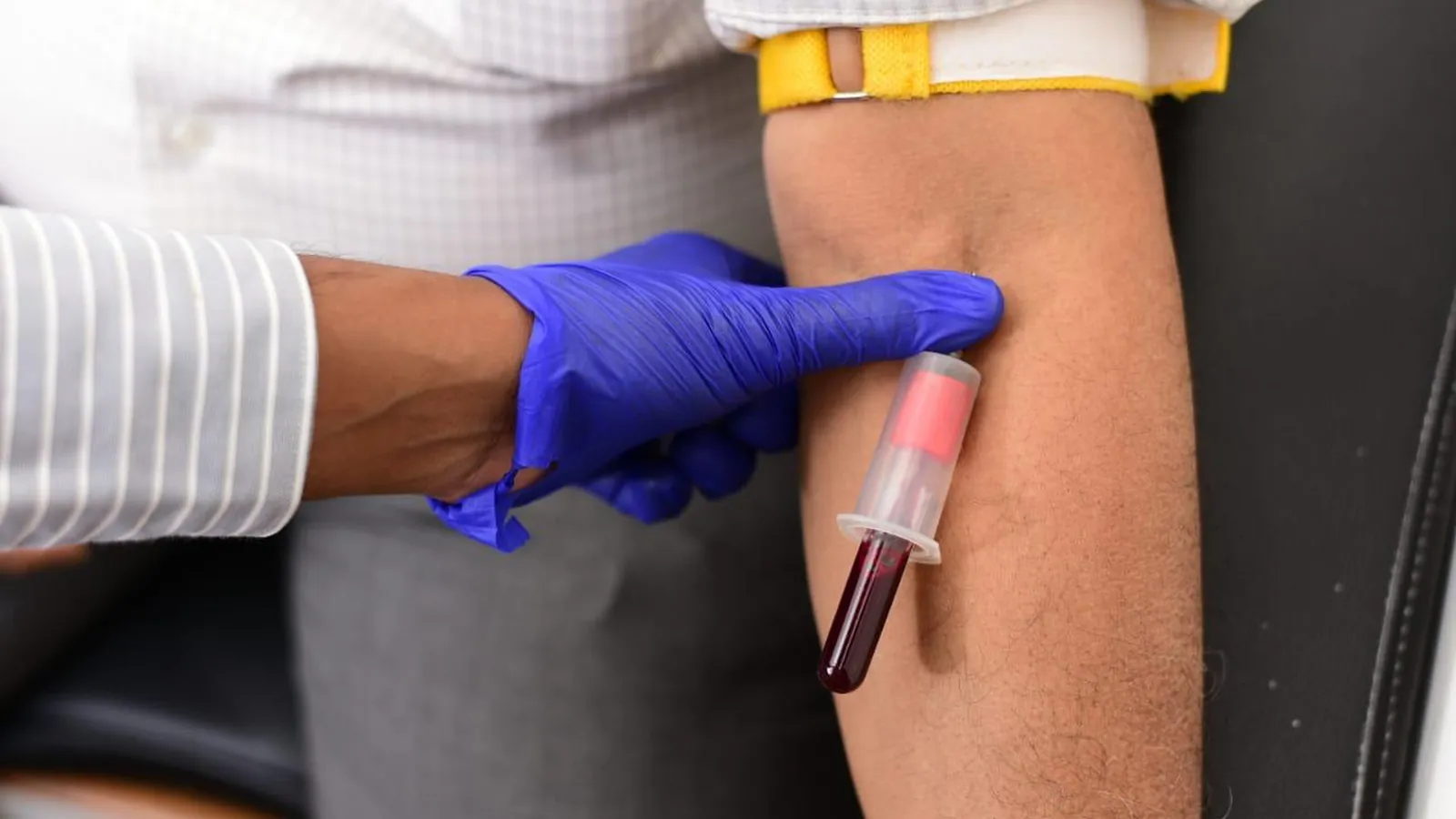
Both tests are done with a blood draw at our South Sarania centre. Vitamin D usually does not need fasting, but fasting is sometimes advised for a combined panel, so ask when you book. Our in-house blood work means results do not have to wait a week. You can book a test online or call the front desk.
Visit us: Dwarka Centre, Saniram Bora Road, behind Bora Service, South Sarania, Lachit Nagar, Guwahati, Assam
Timings: Monday to Saturday, 7:30 AM to 8 PM. Sunday, 7:30 AM to 1:30 PM.
Contact: +91 92879 88515 | uhsvista@gmail.com