
Thyroid tests are among the most commonly ordered blood tests in India, and also among the most commonly misunderstood. A report may show TSH slightly above range, normal T3 and T4, and a doctor who says "watch and repeat." Another may show a TSH of 25 and an urgent start of treatment. This article explains how the thyroid tests relate to each other, what the numbers mean, and which results need action. For a thyroid profile in Guwahati, UHS Vista does the test in its in-house lab at South Sarania.
What the Thyroid Does and What Each Test Measures
The thyroid, a small gland in the front of the neck, makes hormones that set the speed of metabolism: heart rate, body temperature, bowel movement, energy use, and the menstrual cycle. Three tests make up the usual thyroid profile:
- TSH (thyroid stimulating hormone) is made by the pituitary gland in the brain. It rises when the thyroid is underactive, because the brain pushes harder, and falls when the thyroid is overactive. It is the most sensitive single test and the one doctors look at first.
- Free T4 (FT4) is the main hormone the thyroid produces.
- Free T3 (FT3) is the active form, converted from T4 in the tissues. It is less useful for diagnosing an underactive thyroid and more useful for confirming an overactive one.
Reading TSH alone is a starting point. The pattern across the three gives the diagnosis.
TSH Normal Range
Most labs in India print a reference range of about 0.4 to 4.0 or 4.5 mIU/L. Some Indian studies have suggested the upper limit in healthy adults may sit closer to 4.5 to 5, and ranges vary by method, so always read your own report against the range printed on it. Two things to know:
- TSH is higher at night and lower in the morning, and it can shift slightly day to day. A mildly abnormal result is usually repeated before any conclusion.
- Pregnancy has its own ranges, with a lower ceiling in the first trimester. Doctors use trimester-specific limits and do not apply the general range.
Reading the Pattern
High TSH, low FT4: overt hypothyroidism. The thyroid is underactive. This needs treatment, usually with daily levothyroxine.
High TSH, normal FT4: subclinical hypothyroidism. The brain is pushing but the thyroid is still keeping up. This is common, and many people with it feel nothing. Treatment is generally recommended when TSH is persistently above 10 mIU/L, or when TSH is mildly raised and the person is pregnant or planning pregnancy, has symptoms, or has positive thyroid antibodies. For mild elevations doctors often just repeat the test in six to twelve weeks, because it frequently settles.
Low TSH, high FT4 or FT3: hyperthyroidism. The thyroid is overactive. Causes include Graves disease, a toxic nodule, and thyroiditis. Further tests and sometimes a thyroid scan are used to find the cause.
Low TSH, normal FT4 and FT3: subclinical hyperthyroidism. Usually monitored, and sometimes treated depending on age, heart rhythm and bone health.
Low or normal TSH, low FT4. This is unusual and can point to a pituitary problem, so it is investigated differently.
Symptoms
Underactive thyroid tends to cause tiredness, feeling cold, constipation, dry skin, hair thinning, puffiness, a slow heart rate, heavy or irregular periods, low mood, and slow thinking. Weight gain happens, but it is usually modest, typically a few kilograms, and thyroid disease alone seldom explains large weight gain.
Overactive thyroid tends to cause palpitations, tremor, sweating, heat intolerance, weight loss despite a normal appetite, anxiety, loose stools, and lighter periods. Both conditions can cause a swelling in the neck, called a goitre. Northeast India and the Himalayan foothills have a long history of iodine deficiency goitre, and although iodised salt has reduced this, thyroid swellings are still common here.
Other Tests Your Doctor May Add
- Anti-TPO antibodies show whether the cause is autoimmune (Hashimoto thyroiditis in an underactive thyroid), which makes progression to overt hypothyroidism more likely.
- TSH receptor antibodies help diagnose Graves disease.
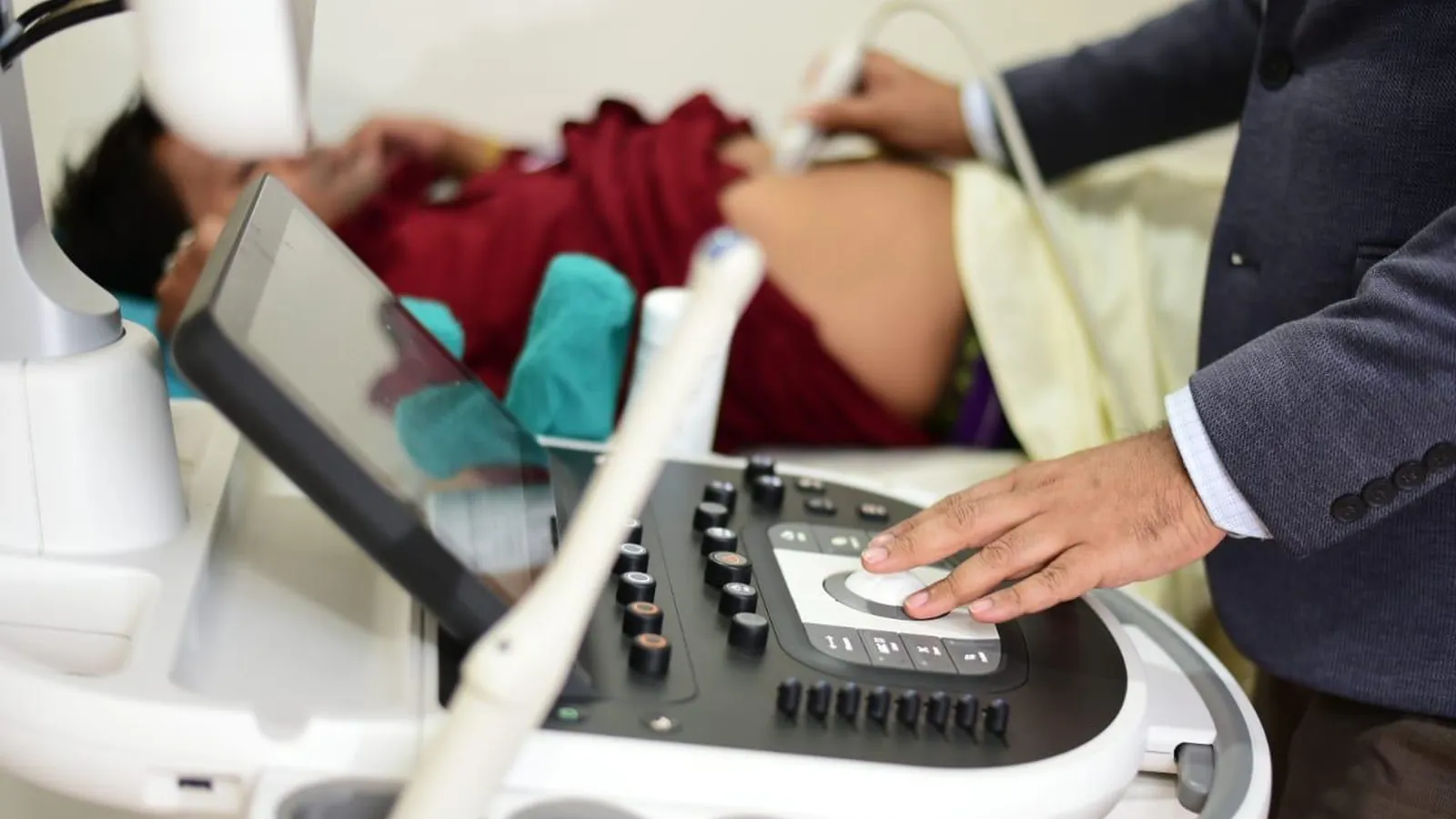
- Thyroid ultrasound is used for a lump or enlarged gland. Most thyroid nodules are benign, and a fine needle aspiration (FNAC) is used when an ultrasound shows features that need a closer look.
Starting and Taking Levothyroxine
Levothyroxine works best when taken on an empty stomach, with water, 30 to 60 minutes before breakfast, or at bedtime at least three hours after the last meal. Calcium, iron and antacids block its absorption, so keep them at least four hours apart. Dose changes are rechecked after six to eight weeks, because it takes that long for TSH to settle. Do not adjust the dose on your own or stop when you feel better. Over-treatment is as harmful as under-treatment and can cause palpitations, bone loss, and irregular heart rhythm.
What Can Distort Your Result
- Biotin supplements, often included in hair and nail products, can give falsely abnormal thyroid results on many lab systems. Tell the lab and ask your doctor whether to pause them for a few days before the test.
- Recent illness or a very low-calorie diet can briefly change thyroid hormones.
- Certain medicines, including amiodarone, lithium and some anticonvulsants, affect thyroid function.
- Taking levothyroxine just before the blood draw can show a falsely high FT4. Doctors usually advise taking it after the sample.
Thyroid, PCOS, Pregnancy and Fertility
An untreated underactive thyroid is a common, reversible reason for irregular periods and difficulty conceiving, and it is checked early in any fertility or irregular periods work-up. See our article on irregular periods after 30 and PCOS for how it fits into the wider picture. In pregnancy, untreated hypothyroidism raises the risk of miscarriage and affects the baby's brain development, which is why TSH is checked early and adjusted through the pregnancy.
Frequently Asked Questions
Do I need to fast for a thyroid test?
Usually not. A morning sample is often preferred, since TSH is lower then and results are more consistent between tests.
Is a TSH of 5 or 6 dangerous?
A mildly raised TSH with normal FT4 is common and rarely urgent. The usual approach is to repeat it in a few weeks and check antibodies.
Can thyroid problems be cured?
Hypothyroidism caused by autoimmune disease is usually lifelong but easily controlled with a daily tablet. Some forms, such as thyroiditis after a viral illness or after pregnancy, settle by themselves. Hyperthyroidism may be treated with tablets, radioactive iodine or surgery, depending on the cause.
How often should I check my thyroid once on treatment?
Every six to eight weeks after a dose change, then once or twice a year when stable.
Thyroid Testing and Specialist Care at UHS Vista
Thyroid profile, anti-TPO and the related blood tests are done in-house at our South Sarania centre. If your result needs a plan, our internal medicine and diabetes team, including Dr. Bikash Bhattacharjee and Dr. Amal Dev Goswami, can review it with you. For thyroid nodules and surgical questions, Dr. Sunil Malla Buzar Barua, our endocrine and breast surgeon, is available. Gynaecologists are on site if your thyroid result is part of an irregular periods or pregnancy work-up. Book a consultation or call +91 92879 88515.
Visit us: Dwarka Centre, Saniram Bora Road, behind Bora Service, South Sarania, Lachit Nagar, Guwahati, Assam
Timings: Monday to Saturday, 7:30 AM to 8 PM. Sunday, 7:30 AM to 1:30 PM.
Contact: +91 92879 88515 | uhsvista@gmail.com